
ACL Prevention Programs Work. So Why Aren't More Teams Using Them?
A 15–20 minute neuromuscular warm-up cuts ACL injury risk by more than half, yet few teams use one. Why adoption is low and what a good program includes.
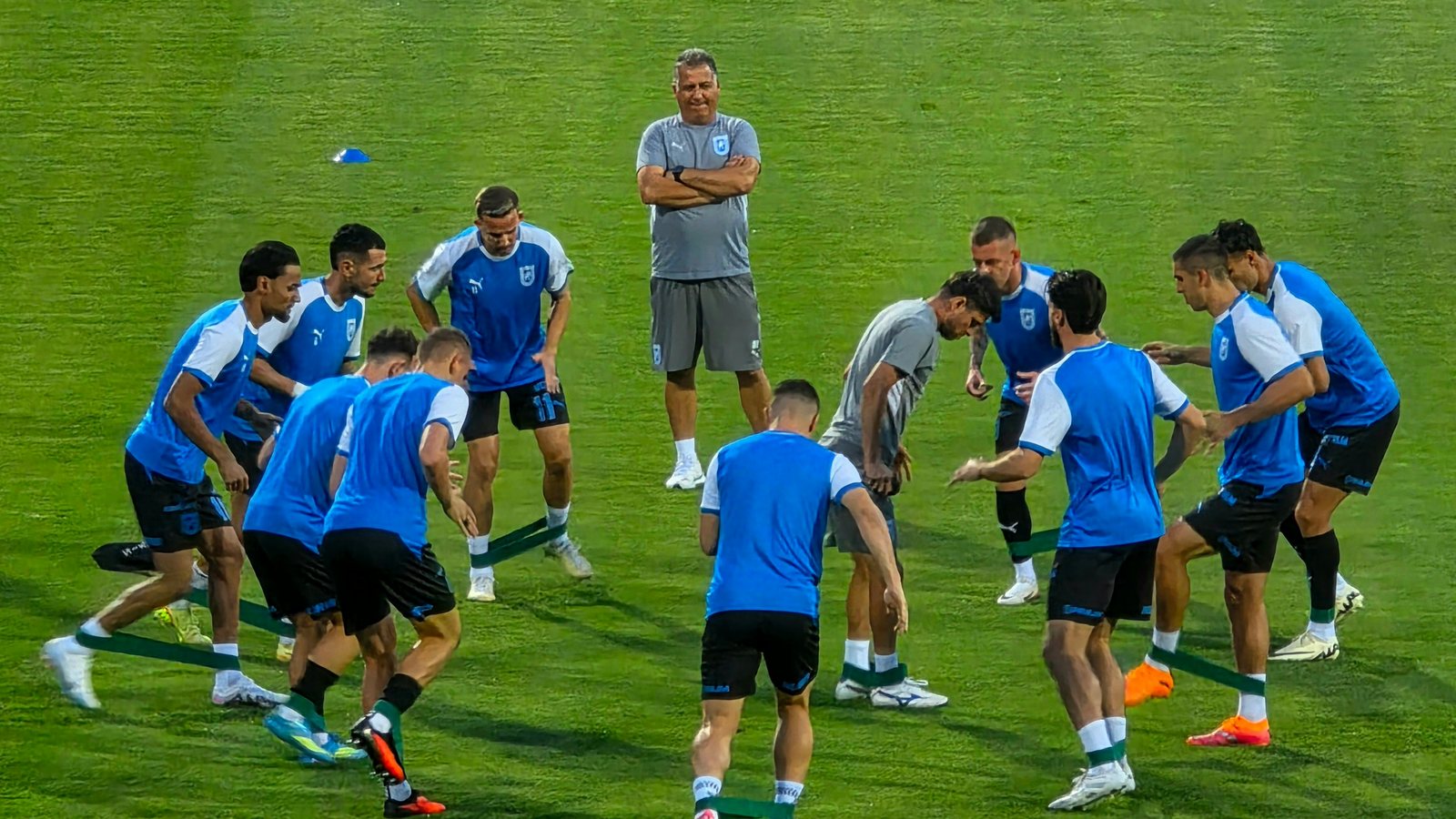
If I told you there was a 15-minute warm-up that could reduce your athlete's risk of tearing their ACL by more than half, you'd probably want to know about it. The thing is, these programs already exist. They've been studied for over two decades. The evidence is overwhelming. And yet, adoption is still dismally low.
The evidence is not subtle
A meta-analysis by Yoo et al. evaluated the effect of neuromuscular training on ACL injury prevention and found an odds ratio of 0.4, meaning athletes who did prevention training had about 60% lower odds of an ACL injury. The subanalysis showed that programs emphasizing plyometrics and strengthening exercises were the most effective components1.
The FIFA 11+ is the most widely studied prevention program in the world. It's a structured warm-up that takes about 20 minutes and includes running, balance, plyometrics, and strengthening. Large studies have shown about 30–40% fewer injuries overall, and roughly 45% fewer severe injuries in one large trial of young female soccer players, when the program is done consistently2,3.
The key word is consistently. These programs work when teams actually do them. Compliance is the bottleneck, not science.
Why adoption is so low
In my experience, there are a few recurring reasons:
Coaches don't know the programs exist. Most youth and club coaches have never been trained in injury prevention. They know how to run a practice and prepare for games, but ACL prevention isn't in their playbook.
"It takes too much time." This is the most common objection, and it's the easiest to refute. The full FIFA 11+ takes 20 minutes. A streamlined version can be done in 10–15. Compare that to the 9–12 months of recovery and rehabilitation after an ACL reconstruction, and the math is obvious.
"My kid is strong / flexible / careful." ACL tears are non-contact injuries roughly 70% of the time4. They happen during deceleration, cutting, and landing — movements that every athlete in pivoting sports performs hundreds of times per game. Strength alone doesn't protect you. Movement quality does.
No one is mandating it. Unlike concussion protocols, there is no requirement for ACL prevention training at the youth, club, or high school level. Until leagues or governing bodies build it into their standards, adoption will remain voluntary and inconsistent.
What I recommend
For any athlete in a cutting or pivoting sport — soccer, basketball, volleyball, lacrosse, skiing — I recommend a structured neuromuscular warm-up before every practice and game. The core elements should include:
- Posterior chain strengthening: hamstring curls, glute bridges, single-leg Romanian deadlifts. This counteracts the quadriceps-dominant pattern that loads the ACL.
- Plyometric training with feedback: box jumps, drop jumps, and lateral hops with coaching on soft landings, knee-over-toe alignment, and avoiding knee valgus collapse.
- Balance and proprioception: single-leg stance progressions, perturbation training, and sport-specific agility drills.
- Core and hip stability: planks, side planks, clamshells, and monster walks. Hip weakness contributes to dynamic valgus at the knee.
I've put together both a full 30-minute ACL prevention program and a 10-minute "Weekend Warrior" routine. Both are free. If you're a coach, parent, or athlete and you want to reduce ACL risk, the tools are there. Use them.
Frequently asked questions
How long does an ACL prevention warm-up take?
The full FIFA 11+ takes about 20 minutes, and a streamlined version can be done in 10–15. It replaces the usual warm-up rather than adding to practice.
Which athletes should do one?
Any athlete in a cutting or pivoting sport: soccer, basketball, volleyball, lacrosse, and skiing. Do it before every practice and game.
My child is already strong. Isn't that enough?
No. About 70% of ACL tears happen without contact, during landing, cutting, or slowing down. Strength alone doesn't protect the knee; movement quality does.
What should a good program include?
Hamstring and glute strengthening, jumping and landing drills with coaching, balance work, and core and hip stability. Plyometrics and strengthening are the parts with the strongest evidence.
References
- Yoo JH, Lim BO, Ha M, et al. A meta-analysis of the effect of neuromuscular training on the prevention of the anterior cruciate ligament injury in female athletes. Knee Surg Sports Traumatol Arthrosc. 2010;18(6):824-830. doi:10.1007/s00167-009-0901-2. PMID 19760399
- Soligard T, Myklebust G, Steffen K, et al. Comprehensive warm-up programme to prevent injuries in young female footballers: cluster randomised controlled trial. BMJ. 2008;337:a2469. doi:10.1136/bmj.a2469. PMID 19066253
- Thorborg K, Krommes KK, Esteve E, et al. Effect of specific exercise-based football injury prevention programmes on the overall injury rate in football: a systematic review and meta-analysis of the FIFA 11 and 11+ programmes. Br J Sports Med. 2017;51(7):562-571. doi:10.1136/bjsports-2016-097066. PMID 28087568
- Boden BP, Dean GS, Feagin JA Jr, Garrett WE Jr. Mechanisms of anterior cruciate ligament injury. Orthopedics. 2000;23(6):573-578. doi:10.3928/0147-7447-20000601-15. PMID 10875418
This article is general education, not medical advice for your situation. Every knee and hip is different — talk with your own doctor about your care.