
Still Not Right After ACL Surgery? Why Rehab Shouldn't Stop at Clearance
A new randomized trial (SUPER-Knee) shows supervised strengthening helps people still struggling one to three years after ACL surgery — and doesn't harm cartilage.
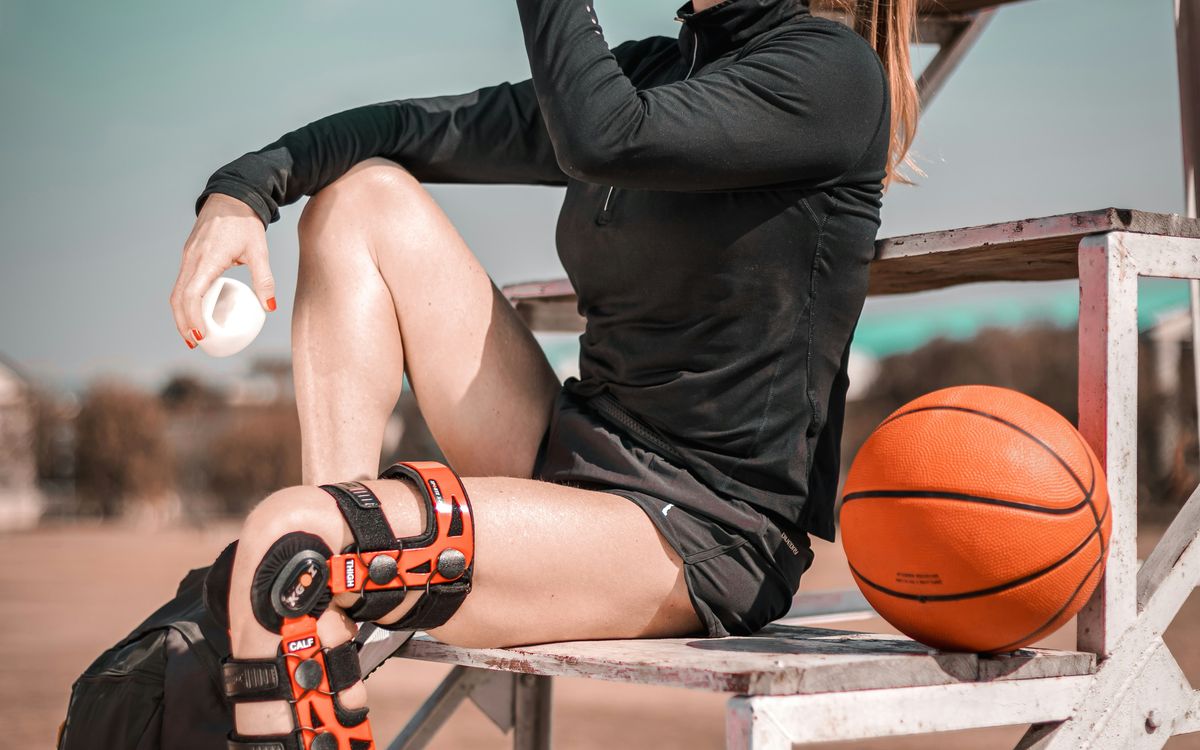
A patient comes back to see me a year and a half after her ACL reconstruction. Her graft is solid on exam. The knee is stable. By every surgical measure, the operation worked. But she tells me her knee still aches after a run, she doesn't trust it on stairs, and she quietly gave up soccer. Then she asks the question I hear more than you might expect: "Is this just how my knee is going to be now?"
A new randomized trial published in the Annals of Internal Medicine, called SUPER-Knee, looked at exactly these patients. The answer it gives is encouraging. It isn't a miracle, though, and some of the headlines have oversold it. Here's my read on it.1
The problem nobody talks about after ACL surgery
We tend to treat being cleared to return to sport as the finish line. For a lot of people, it isn't. The SUPER-Knee researchers note that around half of patients are dissatisfied with their knee two years after ACL reconstruction.2 Over the long term, roughly half of people with an ACL or meniscus injury show signs of osteoarthritis on X-ray 10 to 20 years later, often while they're still young.3
There's also a persistent myth, among patients and some providers, that hard exercise will "wear out" an injured knee's cartilage faster. So people who are still hurting often back off, get weaker, and end up hurting more.
What the SUPER-Knee trial did
Researchers at La Trobe University enrolled 184 adults aged 18 to 40 who were 9 to 36 months out from ACL reconstruction and still had knee problems. Half got a four-month, physical-therapist-supervised program of progressive strengthening and neuromuscular training, plus education. The other half got one education session and a printed best-practice exercise guide to do on their own.1,4
| Outcome | Supervised exercise + education | Education + self-guided exercise |
|---|---|---|
| Knee score (KOOS) change at 4 months | +14.1 points | +9.4 points |
| Thigh muscle strength | Greater gains | Smaller gains |
| Patients who felt recovered | Higher rate | Lower rate |
| At 12 months | Gap narrowed; more patients reached meaningful pain relief | Partly caught up |
| Cartilage thickness on MRI | No difference | No difference |
Source: Culvenor et al., Annals of Internal Medicine.1
My honest read on the results
Two findings matter most to me. The first is that supervised, progressive exercise helped people who were stuck, even one to three years after surgery. It isn't too late. The second is that loading the knee hard didn't damage cartilage. That should put the "exercise wears out your knee" worry to rest for most patients.
Now the caveats. The difference between groups at four months was about 5 points on a 100-point scale. That's real, but it's modest, and by 12 months the gap had narrowed. Some news coverage said this program "reduces the chance of osteoarthritis." The trial didn't show that. It measured cartilage over one year, and arthritis develops over a decade or more. What it showed is that exercise is safe for cartilage and helps symptoms, which is still worth knowing.
My takeaway is that the exercise itself does the work, and supervision helps people actually do it and keep progressing it. When I was an assistant team physician for the New York Giants, rehab was daily, supervised, and always progressing. Most of my patients don't get anything close to that once formal PT ends. A second structured block of therapy is a reasonable way to close that gap.
What this means for my ACL patients
I do approximately 85 ACL reconstructions a year. I tell patients that return to sport usually takes 9 to 12 months, or 9 to 14 months if we also repaired the meniscus. Even then, strength often lags behind the calendar. Before I clear anyone, I want to see quad strength and hop testing close to the other side, not just a certain number of months since surgery.
If you're past that point and still not right, I'll start by ruling out a structural problem with a careful exam, and imaging when it's warranted. That means checking for a new meniscus tear, a cartilage injury, or an issue with the graft. If the knee is structurally sound, a focused, supervised strengthening program is usually my first recommendation, before anything more invasive.
Who I talk to about this
- Patients one to three years out from ACL surgery who still have pain, swelling, or a knee they don't trust
- Athletes who were cleared but never made it back to their previous level
- Anyone who stopped physical therapy early because life got busy
- Young patients worried about developing arthritis down the road
Frequently asked questions
I'm two years out from ACL surgery and still have pain. Is it too late for physical therapy?
No. The people in this trial were 9 to 36 months out, and they still improved with a supervised program. I'd want to examine you first to rule out a structural cause, but more rehab is often the right next step.
Will hard exercise wear out my knee cartilage faster?
This trial says no. After a year of progressive strengthening, cartilage thickness on MRI was no different from the group that did less. A strong knee is generally a healthier knee.
Does this prove that physical therapy prevents arthritis after ACL surgery?
Not yet. The study followed patients for one year, and arthritis takes many years to develop. What we know is that exercise is safe for cartilage and improves symptoms and strength. Longer follow-up will tell us more.
How do I know if my problem is rehab or something structural?
That's what a good exam is for. Catching, locking, recurrent swelling, or true giving way can point to a meniscus, cartilage, or graft problem. A knee that's stable but weak, achy, or untrusted is often a strength and confidence problem that responds well to rehab.
If you're still not happy with your knee after ACL surgery, whether I did it or someone else did, come see me. We'll figure out whether something structural is going on, and if not, we'll build a plan to get you stronger and back to doing what you love. You don't have to accept a knee that's just okay.
References
- Culvenor AG, et al. Exercise Therapy and Education for Young Adults With Persistent Knee Problems After Anterior Cruciate Ligament Reconstruction. Annals of Internal Medicine. doi:10.7326/ANNALS-26-02460
- La Trobe University news release on the SUPER-Knee trial (via News-Medical). medical.net/news/20260929/Exercise-therapy-reduces-knee-osteoarthritis-risk-after-ACL-surgery.aspx" target="_blank" rel="noopener">https://www.news-medical.net/news/20260929/Exercise-therapy-reduces-knee-osteoarthritis-risk-after-ACL-surgery.aspx
- Lohmander LS, Englund PM, Dahl LL, Roos EM. The long-term consequence of anterior cruciate ligament and meniscus injuries: osteoarthritis. Am J Sports Med. 2007;35(10):1756-1769. doi:10.1177/0363546507307396
- Culvenor AG, et al. SUpervised exercise-therapy and Patient Education Rehabilitation (SUPER) versus minimal intervention for young adults at risk of knee osteoarthritis after ACL reconstruction: SUPER-Knee randomised controlled trial protocol. https://pubmed.ncbi.nlm.nih.gov/36657757/
This article is general education, not medical advice for your situation. Every knee and hip is different — talk with your own doctor about your care.