
I Do About 85 ACL Surgeries a Year. Here's What I Tell Every Parent of a Young Athlete.
Year-round single-sport specialization is behind many of the teen ACL tears I see. What the research says about specialization, injury and burnout, and what I tell parents.
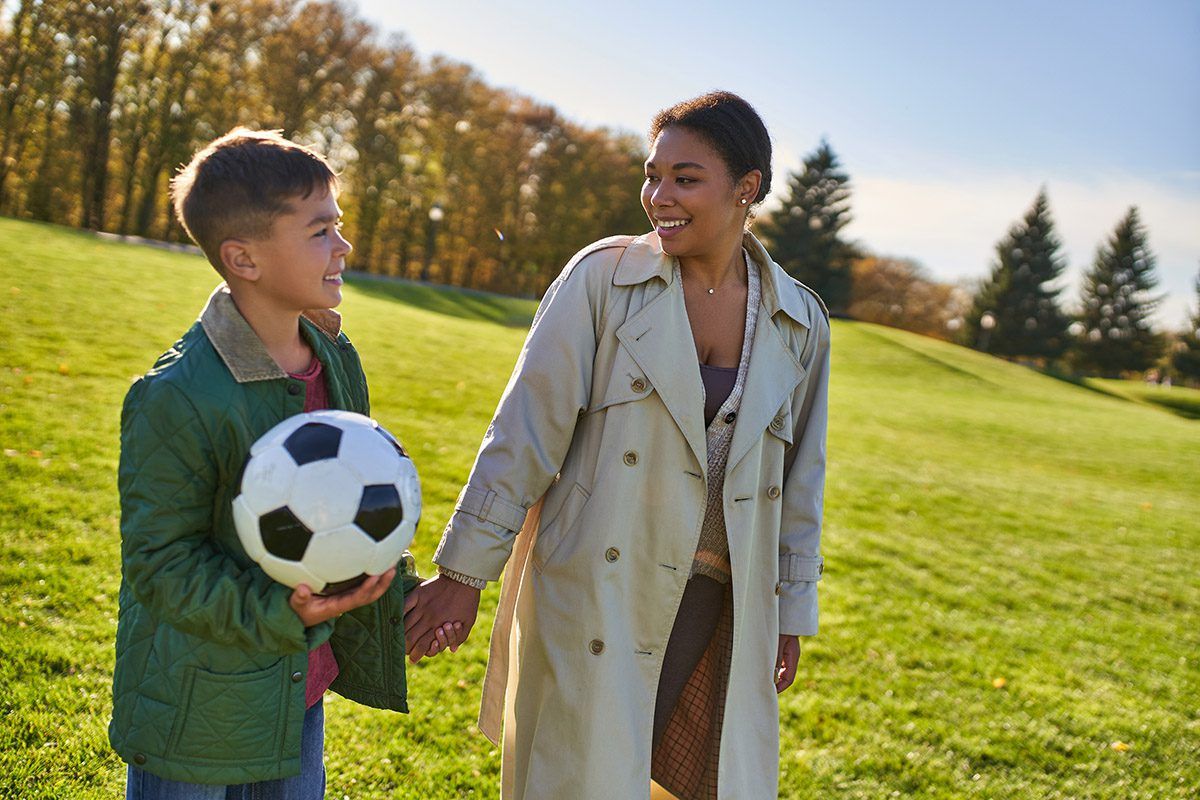
I see the same story play out in my clinic more often than I'd like. A 15- or 16-year-old comes in — usually a girl, often a soccer or basketball player — with a torn ACL. She's been playing her sport year-round since she was nine or ten. No off-season. Showcases in the fall, a club season in the spring, skills camps over the summer.
Her parents did everything they thought they were supposed to do to help her succeed. And now she's in my office, looking at nine months of recovery and a surgery she didn't have to have.
I want to talk about early sport specialization, because I think a lot of families are making decisions based on a premise that the data simply doesn't support — and those decisions are landing kids in operating rooms.
The numbers are getting worse
ACL injury rates among high school athletes have risen 26% since 2007. In girls, the increase is even sharper — 32%. One in ten high school girls who plays competitive sports will tear her ACL. These are not small numbers. They represent a generation of young athletes being hurt at a time when their bodies are still developing, during the years that are supposed to build their athletic foundation.
The mechanism isn't complicated. When a young athlete plays one sport year-round, her body performs the same movement patterns over and over without the variety and rest that allow tissues to recover and adapt. The muscles that protect the ACL — the hamstrings, glutes, hip stabilizers — don't get trained in the balanced way that comes from playing multiple sports. They get strong in the directions that sport demands and weaker everywhere else. And when a landing or a cut goes wrong at the wrong moment, those undertrained muscles aren't there to absorb the force. The ACL takes it instead.
Researchers tracking young athletes found that those playing a single sport for more than 8 months per year had 27% higher odds of any injury and 36% higher odds of a serious overuse injury requiring extended time away from their sport — independent of how many total hours they were training.
The performance myth parents need to hear
Here's what I tell parents when they push back: the premise behind early specialization — that it gives kids a competitive edge, that it's the path to a college scholarship or a professional career — is not supported by the evidence. At all.
Division I collegiate athletes, on average, specialized in their sport significantly later than their peers who never made it to that level. The vast majority of first-round NFL and MLB draft picks were multi-sport athletes through high school. Studies specifically looking at whether early specialization predicts future career performance have found no correlation. None.
What you get from specializing early is a higher injury rate, a higher burnout rate — kids who specialize before age 12 show nearly four times the burnout of those who wait until after 15 — and a narrower athletic foundation that tends to underperform in the long run.
My recommendation to every family with a young athlete: play multiple sports through high school. Take an off-season. Let the body recover, develop, and be surprised by different demands. The athlete who shows up to her chosen sport at 16 or 17 after years of varied training is more durable, more coordinated, and more prepared than the one who has been grinding the same patterns since she was nine.
In 2023, the Hospital for Special Surgery — where I completed my fellowship training, and the number one ranked orthopedic hospital in the country — partnered with the Aspen Institute to convene the National ACL Injury Coalition specifically to address this epidemic in youth sports. The coalition's position is direct: multi-sport participation reduces injury risk, and the culture of early specialization needs to change. That's not a fringe view. It's where the evidence has landed.
Frequently asked questions
My daughter is being told she needs to specialize now to stay competitive. What should I do?
Push back on that message. The research is consistent: early specialization does not produce better outcomes in college or professional sports, and it significantly increases injury risk. Coaches and club programs sometimes have financial or competitive incentives to encourage year-round commitment. Your daughter's long-term health and athletic development are better served by playing two or three sports and taking a genuine off-season.
At what age is it reasonable to focus primarily on one sport?
Most sports medicine physicians and researchers suggest that specialization before high school — and ideally before age 15 or 16 — is premature for the vast majority of athletes. The exceptions are early-entry disciplines like gymnastics, figure skating, and competitive swimming, which have different developmental windows. For field and court sports, patience is an advantage.
If my child has already specialized and had an ACL injury, what's next?
Recovery and a plan that avoids repeating the pattern that led to the injury. That means a thoughtful return-to-sport protocol, neuromuscular training to address the weaknesses that contributed to the original tear, and a serious conversation about training load and variety going forward. Reinjury rates after ACL reconstruction in young athletes are significant — the last thing we want is to rebuild the knee and put it back into the same environment that injured it.
If your young athlete has had a knee injury — or you want to talk through how to keep them healthy before one happens — come in. I'd rather have that conversation in the clinic than in the operating room.
This article is general education, not medical advice for your situation. Every knee and hip is different — talk with your own doctor about your care.