
Which ACL Graft Is Best? What the Latest Research Actually Shows
Patellar tendon, hamstring or quad tendon? A new meta-analysis of randomized trials finds similar outcomes. The real tradeoffs of each graft and how I choose.
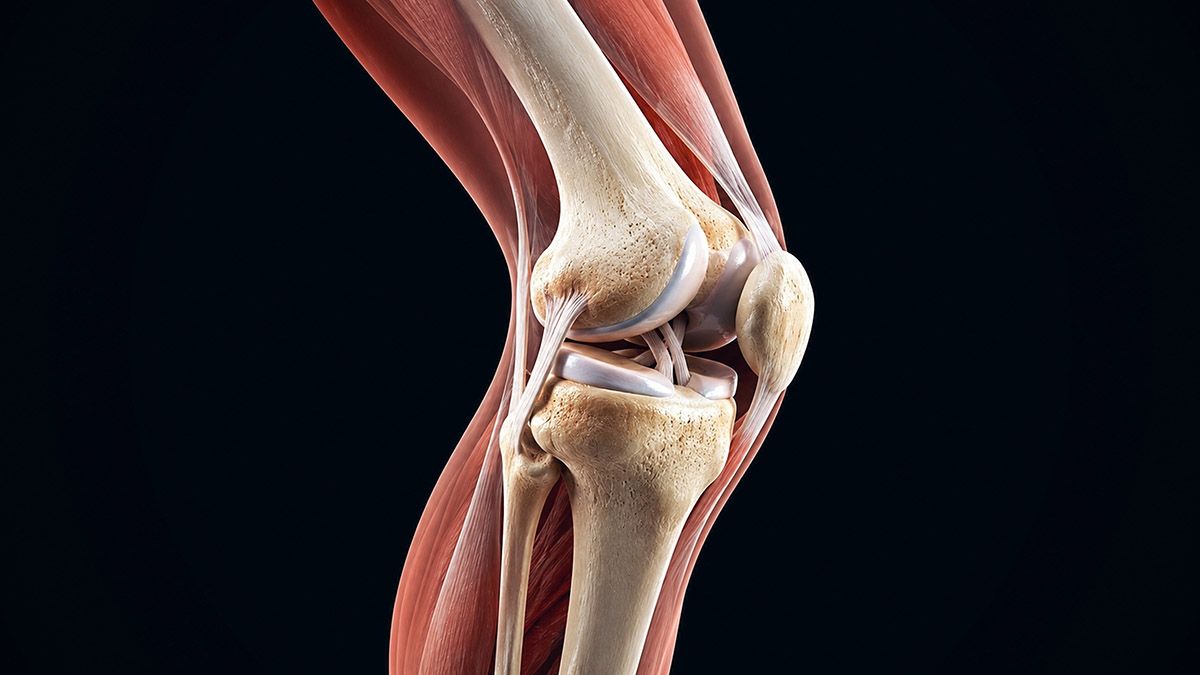
"Which graft should I get?" It's the single most common question I hear after diagnosing an ACL tear. Patients have usually already started Googling, and they come in with strong opinions about patellar tendon versus hamstring versus quad tendon.
I get it — this is a decision that affects the next 9 to 12 months of your life. So let me break down where the science actually stands right now.
A major new study says: they're all pretty good
A large systematic review and meta-analysis published in Knee Surgery, Sports Traumatology, Arthroscopy analyzed randomized controlled trials comparing all three major autograft options — patellar tendon, hamstring tendon, and quad tendon. The conclusion? All three demonstrated similar clinical outcomes, including graft failure rates, joint laxity, and complication rates.1
That's a big deal, because it means the heated online debates about which graft is "the best" are probably overstating the differences.
What each graft brings to the table
Even though outcomes are similar on paper, each graft has real tradeoffs that matter depending on who you are and what you do.
| Graft type | Strengths | Tradeoffs |
|---|---|---|
| Patellar tendon (BTB) | Bone-to-bone healing, strong fixation, long track record | More anterior knee pain, kneeling discomfort |
| Hamstring tendon | Less donor-site pain, smaller incision | Slightly higher re-tear rate in some studies, possible hamstring weakness |
| Quad tendon | Thick, strong graft; less kneeling pain than BTB | Early quad weakness requiring targeted rehab |
In my practice, I use all three depending on the patient. A college soccer player might get a different recommendation than a 40-year-old recreational skier. Your activity level, your anatomy, and even which knee structures are injured alongside the ACL all factor into the decision.
Having trained at the Hospital for Special Surgery, where we saw every combination of these injuries, I learned early that there's no universal "best graft" — there's a best graft for each patient.
How I talk about this with patients
I walk every patient through the pros and cons of each option. I factor in age, sport, whether there's a meniscus repair involved (which extends recovery to 9–14 months), and what matters most to you. Some patients prioritize getting back to cutting sports and want the strongest possible fixation. Others want to minimize post-op pain and get moving quickly. Both are valid.
The research also highlighted something I tell patients regularly: the quad tendon is gaining popularity fast. It offers a thick, robust graft with less of the kneeling pain that comes with a patellar tendon graft. There's a tradeoff — early quad weakness is real and requires focused rehab — but for many athletes, it's becoming an increasingly attractive option.
If you're facing an ACL reconstruction, don't get paralyzed by the graft debate. Come in, let's look at your MRI together, and we'll figure out the right plan for you.
References
- White T, et al. Quadriceps, hamstring and patella tendon autografts for primary anterior cruciate ligament reconstruction demonstrate similar clinical outcomes, including graft failure, joint laxity and complications: a systematic review with meta-analysis of randomised controlled trials. Knee Surg Sports Traumatol Arthrosc. 2026;34(5):1631-1646. doi:10.1002/ksa.12755
This article is general education, not medical advice for your situation. Every knee and hip is different — talk with your own doctor about your care.