
When Your Kneecap Slips Out of Place: What You Should Know About Patellar Dislocation
About one in four people who dislocate a kneecap will do it again. Who is at risk, what new research says about early surgery, and how I treat patellar instability.
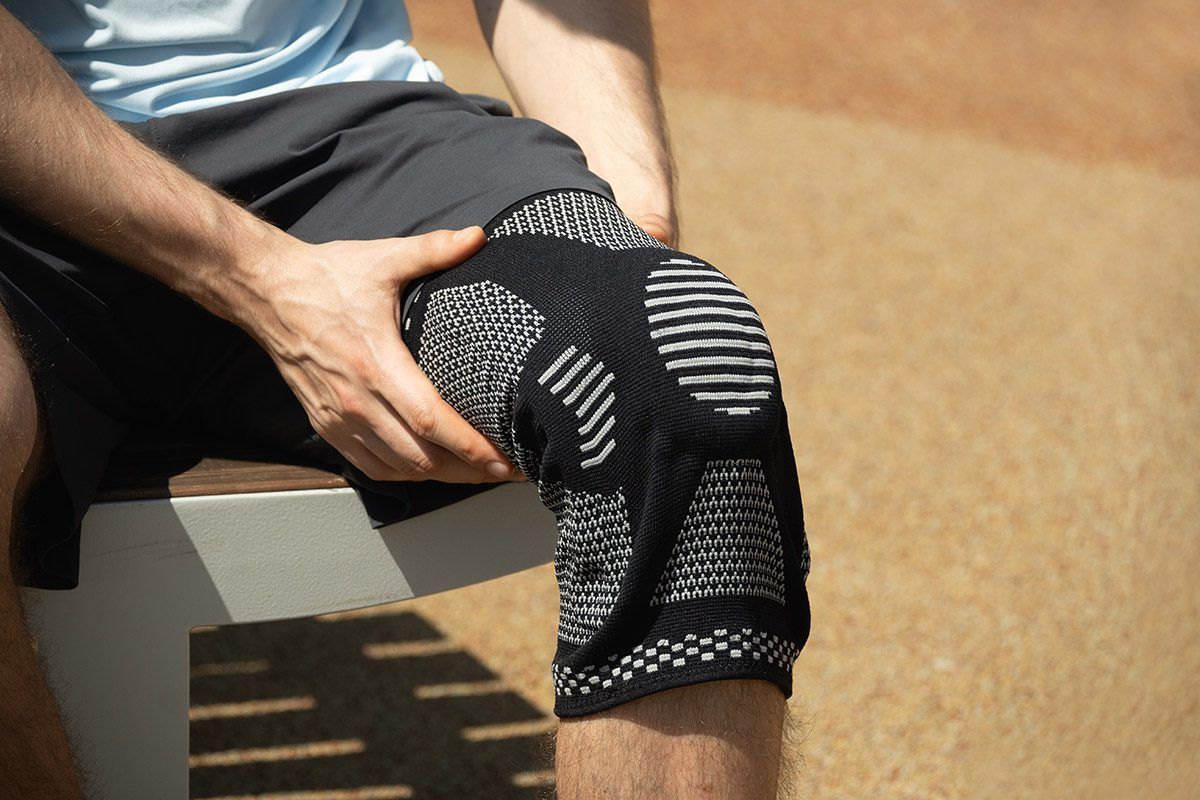
A patellar dislocation happens when the kneecap (patella) is forced out of the groove at the end of the thigh bone and slides to the outside of the knee. It's painful, it's alarming, and — here's what a lot of patients don't realize — it has a significant chance of happening again. Research shows that roughly one in four people who dislocate their kneecap will do so again within ten years. For younger, more active patients, that number is even higher.
I see this injury across all ages, from teenage athletes to adults in their forties who simply stepped wrong. The anatomy matters a lot here. People with a shallow kneecap groove (trochlear dysplasia), a kneecap that rides too high (patella alta), or a slightly off-center tibial attachment are structurally more prone to instability. These aren't rare findings — they're present in a meaningful percentage of people who come in with recurrent dislocations.
What the latest research is telling us
A study published in July 2025 in the Journal of Clinical Medicine followed adolescent athletes after MPFL reconstruction and found something important: patients treated surgically after their first dislocation returned to sport in about five months. Those treated only after the injury became recurrent took closer to eight months — and a significantly lower percentage of them returned to their prior activity level (72% vs. 95%).
The message is clear: waiting and hoping often costs patients time on the field and time in recovery.
ESSKA — Europe's leading sports knee surgery society — published a major consensus statement in 2024 laying out updated guidance on when to operate and what surgical strategy to use. Combined with newer data on how bone geometry affects outcomes, we're in a much better position now to match the right surgery to the right patient than we were even five years ago.
Across the current body of research, redislocation rates after MPFL reconstruction are below 2%. Conservative management in recurrent cases carries a redislocation risk as high as 66%.
How I approach this
The primary surgery for patellar instability is MPFL reconstruction — rebuilding the medial patellofemoral ligament, which is the main structure that keeps the kneecap from sliding outward. I use a graft (typically from the patient's own tissue) to recreate that ligament and anchor it precisely at the correct point on the femur. When done correctly, the results are durable and patients return to full activity.
For patients with structural issues — a kneecap that sits too high, an attachment point that's too far off to the side — I often combine MPFL reconstruction with a tibial tubercle osteotomy (TTO) to realign the tracking of the kneecap. I also perform lateral retinacular lengthening when the soft tissue on the outside is pulling too tight and contributing to the instability. Each case is different, and the surgical plan has to address the actual anatomy, not just the instability in isolation.
My fellowship training at the Hospital for Special Surgery in New York — consistently ranked the number one orthopedic hospital in the country — gave me extensive experience with exactly this kind of anatomic reconstruction. When I consult with patients, I bring imaging, measurements, and a clear plan. I want patients to understand what's driving their instability and why we're recommending a particular approach.
Frequently asked questions
My kneecap popped out once — do I need surgery?
Not necessarily after a single episode, especially if you don't have significant structural risk factors. But if imaging shows underlying anatomy that predisposes you to recurrence — or if it happens again — surgery typically gives you a much better long-term outcome than repeated conservative management.
How long is recovery after MPFL reconstruction?
Most patients return to sport or high-demand activity in four to six months. The timeline depends on whether additional procedures (like TTO) were performed and how diligently the rehab protocol is followed. We plan this together before surgery so there are no surprises.
Is this surgery done outpatient?
Yes. MPFL reconstruction is routinely performed as a same-day outpatient procedure. Most patients go home the same day and begin physical therapy within the first week.
If you've had a kneecap dislocation — first-time or recurrent — come in and let us take a look at the anatomy. The right evaluation early makes a real difference in where this ends up.
This article is general education, not medical advice for your situation. Every knee and hip is different — talk with your own doctor about your care.