
“You Need a Meniscus Transplant” — Why I Often Recommend Something Different
For the knee that lost its meniscus years ago, a transplant isn't the only answer. Why I often start with alignment correction (osteotomy) instead, and when a transplant makes sense.
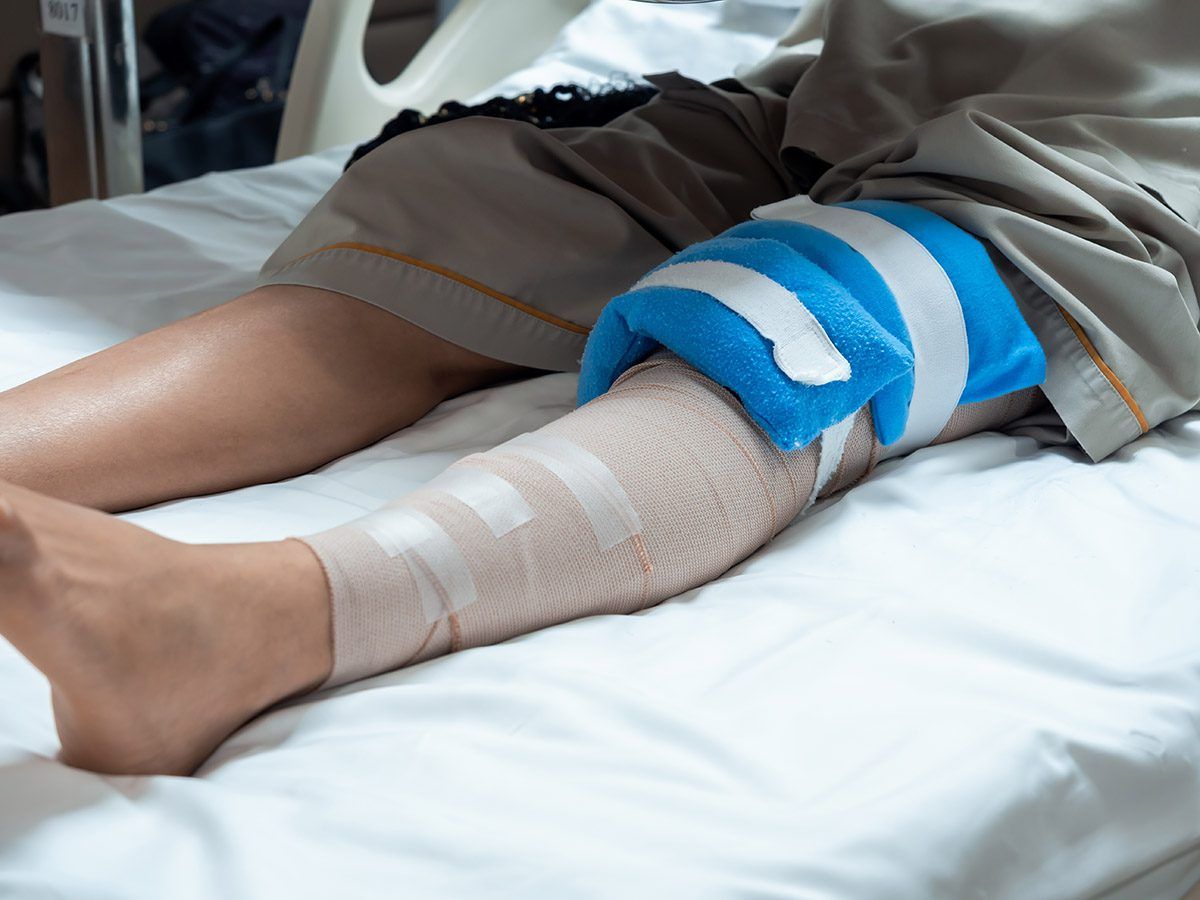
A meniscus-deficient knee is one of the trickier problems in orthopedic surgery. The patient is typically in their thirties or forties — too young for knee replacement, too symptomatic to ignore. They had their meniscus removed years ago, often after a sports injury, and now their knee swells after a hike, aches after a run, and wakes them up at night.
Somewhere along the way, someone told them they needed a meniscus transplant. I want to explain why, for many of these patients, I think that's the wrong starting point.
Why meniscus transplants sound better than they are
The idea behind a meniscus allograft transplant (MAT) is straightforward: replace the missing tissue with a donor meniscus. Conceptually appealing. In practice, the data is sobering — and the numbers from high-volume specialty centers are the best-case version. In larger, more representative series, 23% of patients meet criteria for clinical failure at a mean of just 7.3 years, and 37% require reoperation within 6.6 years.
Extrusion — where the graft migrates out of position — is already measurable at an average of 3 mm by six weeks after surgery, a threshold of clinical concern, and major extrusion (greater than 3 mm) has been reported in up to 78% of cases across studies. Survival rates decline from the 70–80% range at ten years to around 57% at twenty. And meniscus transplants have not been consistently shown to halt the progression of arthritis.
In published series of athletes undergoing MAT, only 47% returned to their prior level of competition. Nearly 88% discontinued at least one sport they had participated in before surgery — often on the advice of their surgeon.
Here's the deeper issue: a meniscus transplant does not fix the underlying mechanical problem. If the knee is malaligned — if there's a varus (bow-legged) deformity concentrating load on the already-damaged compartment — dropping a new meniscus into that environment is like putting new tires on a car with a bent frame. The tissue is going to take the same beating the original meniscus did.
What alignment correction actually does
A high tibial osteotomy (HTO) for medial compartment disease — or a distal femoral osteotomy (DFO) for lateral — works by changing where the body's weight travels through the knee. By shifting the mechanical axis away from the damaged compartment and toward the healthier side, we dramatically reduce the load on the area that's causing pain. The knee isn't being replaced. The problem is being offloaded.
The 20-year survival data for HTO is strong: 92% at 5 years, 84% at 10 years, and 44% at 20 years overall — with the most favorable candidates (under 55, healthy BMI, lower preoperative disability) reaching 62% at 20 years. Ninety-seven percent of HTO survivors report satisfaction at long-term follow-up. That's a remarkably durable outcome for a joint-preserving procedure.
A 2025 systematic review found that adding meniscal root repair to HTO — in patients who have a repairable tear — produces better meniscal healing rates and more stable cartilage scores than osteotomy alone. This reflects where the field is moving: fix the alignment first, and address the biology where it can be saved.
| Meniscus transplant (MAT) | Osteotomy (HTO / DFO) | |
|---|---|---|
| 10-year survival | 57–80%* | ~85–92% |
| Clinical failure | 23% by mean 7.3 years | Lower; revisions usually to arthroplasty |
| Reoperation rate | 37% by 6.6 years | N/A |
| Extrusion | ~3 mm average at 6 weeks; up to 78% major | N/A |
| Athlete return to prior level | ~47%; 88% quit at least one sport | ~97% satisfaction in ideal candidates |
| Halts arthritis? | Not consistently shown | Reduces loading; slows progression |
| Addresses alignment | No — separate procedure required | Yes — this is the procedure |
*57% reflects broader multi-center series; 80% represents best-case specialist-center data. Individual results vary by center volume, technique, age, BMI, and cartilage status.
I trained at the Hospital for Special Surgery in New York, where we handled some of the most complex knee preservation cases in the country. The shift I've seen over the course of my career — away from meniscus transplant as a primary intervention and toward alignment correction — reflects a more honest reading of the long-term data. When I see a patient in their mid-thirties with a meniscus-deficient knee and varus alignment, the conversation starts with the mechanical axis, not the graft catalog.
Frequently asked questions
Is there any patient where a meniscus transplant makes sense?
Yes — in a well-aligned knee with minimal arthritis, a young patient, and significant meniscal deficiency, MAT remains a reasonable option and can provide meaningful pain relief for a decade or more. The key is patient selection. MAT in a varus knee without addressing alignment is setting the graft up to fail.
What does recovery from an osteotomy look like?
Most patients are partial weight-bearing for 6–8 weeks while the bone heals, then gradually increase activity. By 4–6 months most are back to recreational sports. It's a longer initial recovery than some procedures, but the durability makes it worthwhile for the right patient.
Could I still need a knee replacement eventually?
Possibly, yes — and I tell patients that honestly. What an osteotomy does is buy meaningful time: years of active, lower-pain living while avoiding or deferring a replacement. And when replacement does become necessary, a well-executed osteotomy does not compromise that surgery.
If you've been told you need a meniscus transplant — or if you're living with a meniscus-deficient knee and activity-related pain — come in for a thorough evaluation. The right answer depends on your alignment, your articular cartilage, and your goals. Let's look at the whole picture.
This article is general education, not medical advice for your situation. Every knee and hip is different — talk with your own doctor about your care.